
Exploring the psychology behind casino games
The Allure of Risk and Reward
The psychology behind casino games is intricately tied to the concepts of risk and reward. Players often find themselves captivated by the thrill of potentially winning large sums of money while facing the inherent danger of losing their stake. This dynamic taps into fundamental human emotions, including excitement, anticipation, and even anxiety. The variable reinforcement schedule, common in gambling, keeps players engaged as they encounter unpredictable wins, which illustrate how humans are wired to chase rewards, despite the risks involved. For those looking for efficient payouts, the experience at a fast withdrawal casino can enhance their gaming satisfaction. The unpredictability of outcomes creates an adrenaline rush, further enhancing the allure of these games.
Moreover, the design of casino games often amplifies this psychological interplay. For instance, the use of bright colors, sounds of coins, and celebratory animations create an immersive experience that enhances emotion-driven decision-making. Research has shown that these elements can induce heightened levels of dopamine release in the brain, reinforcing the desire to continue playing. This biochemical response is similar to that experienced in other forms of gambling and risk-taking behavior, suggesting that the excitement garnered in casinos may be biologically ingrained. The combination of visual and auditory stimuli creates an environment that encourages players to stay longer and invest more.
Furthermore, the social aspect of casino gaming cannot be overlooked. Many players enjoy the camaraderie of being in a lively environment filled with others who share their thrill-seeking tendencies. The experience of being surrounded by fellow gamblers can amplify feelings of excitement and anticipation. This shared experience can create a sense of belonging and collective excitement, which further fuels the desire to participate in games. The social reinforcement of winning or even losing together feeds the communal atmosphere of amusement, making the experience more than just about the individual pursuit of profit. The communal aspect of gaming adds another layer of psychological engagement, making it a more profound experience for many players.
The Illusion of Control
Many players engage in casino games under the illusion that they can influence the outcome. This belief is reinforced by cognitive biases such as the illusion of control, where individuals think they can manage unpredictable situations through skill or strategy. For example, a player may feel that their choices during a game of blackjack can significantly affect the odds of winning, leading them to engage even more fervently. This psychological phenomenon is incredibly powerful, as it can lead individuals to invest more time and money than they may originally intend. The perception of control can lead players to adopt strategies that they believe will enhance their chances of winning, even when outcomes remain largely random.
Additionally, players often develop superstitions and rituals they believe can enhance their luck. Whether it’s wearing lucky clothing, using specific betting patterns, or even the arrangement of chips, these behaviors can provide players with a sense of comfort and control amid the randomness of the games. Understanding that chance fundamentally drives outcomes in such games can be difficult, and this dissonance creates a rich ground for exploration in gambling psychology. The rituals serve as a coping mechanism, enabling players to manage the anxiety that accompanies the uncertainty inherent in gambling.

The consequences of the illusion of control can be significant. It can lead to a cycle of repeated play, reinforcing the belief that the next bet could result in a win. This can escalate into problematic gambling behavior, where the player disregards the odds and becomes trapped in an endless pursuit of victory. Highlighting the importance of responsible gambling, recognizing these psychological triggers is crucial for players to maintain a healthy relationship with gaming. By acknowledging the limits of their control, players can better navigate the emotional landscape of gambling, potentially reducing the risk of developing harmful habits.
The Role of Cognitive Dissonance
Cognitive dissonance plays a significant role in how players reconcile their gambling behavior with the potential financial and emotional consequences. When individuals experience losses, they often try to justify their continued participation by emphasizing past wins or downplaying their losses. This mental gymnastics helps maintain their self-image as rational decision-makers, despite the overwhelming odds stacked against them. The discomfort of facing losses pushes individuals to continue betting in hopes that future wins will validate their choices. This psychological struggle is a common experience among gamblers, leading to a complex relationship with their gaming habits.
This phenomenon is evident in many gambling scenarios, particularly among those who gamble regularly. For instance, a player might recall a big win from the past, which can overshadow recent losses. This selective memory can fuel a belief that they are on the verge of another big win, encouraging them to keep playing. Cognitive dissonance not only affects individuals’ decisions but can also shape their overall strategies when engaging with various games. The need to justify their actions often leads players to adopt increasingly risky strategies in the hope of recouping losses.
Moreover, the environment within casinos can further exacerbate cognitive dissonance. With constant reminders of potential winnings from other players and promotional materials highlighting jackpot successes, individuals may feel compelled to ignore the logical reasoning that their chances of winning are minimal. This push-pull dynamic is a significant factor driving players deeper into the gambling experience, complicating their perceptions and decision-making processes. The casino atmosphere, designed to evoke excitement and possibility, can cloud judgment and reinforce the narrative that winning is just around the corner.
The Impact of Game Design on Behavior
Game design is a crucial element in shaping player psychology in casino settings. Developers invest significant resources in creating games that are not only engaging but also psychologically stimulating. Features such as near-miss scenarios, where players come tantalizingly close to winning, can significantly enhance the compulsion to continue playing. This design strategy plays into the brain’s reward systems, further captivating the player’s interest and willingness to bet more. Near-misses can create a false sense of hope and reinforce the belief that success is attainable, even when the odds are stacked against the player.
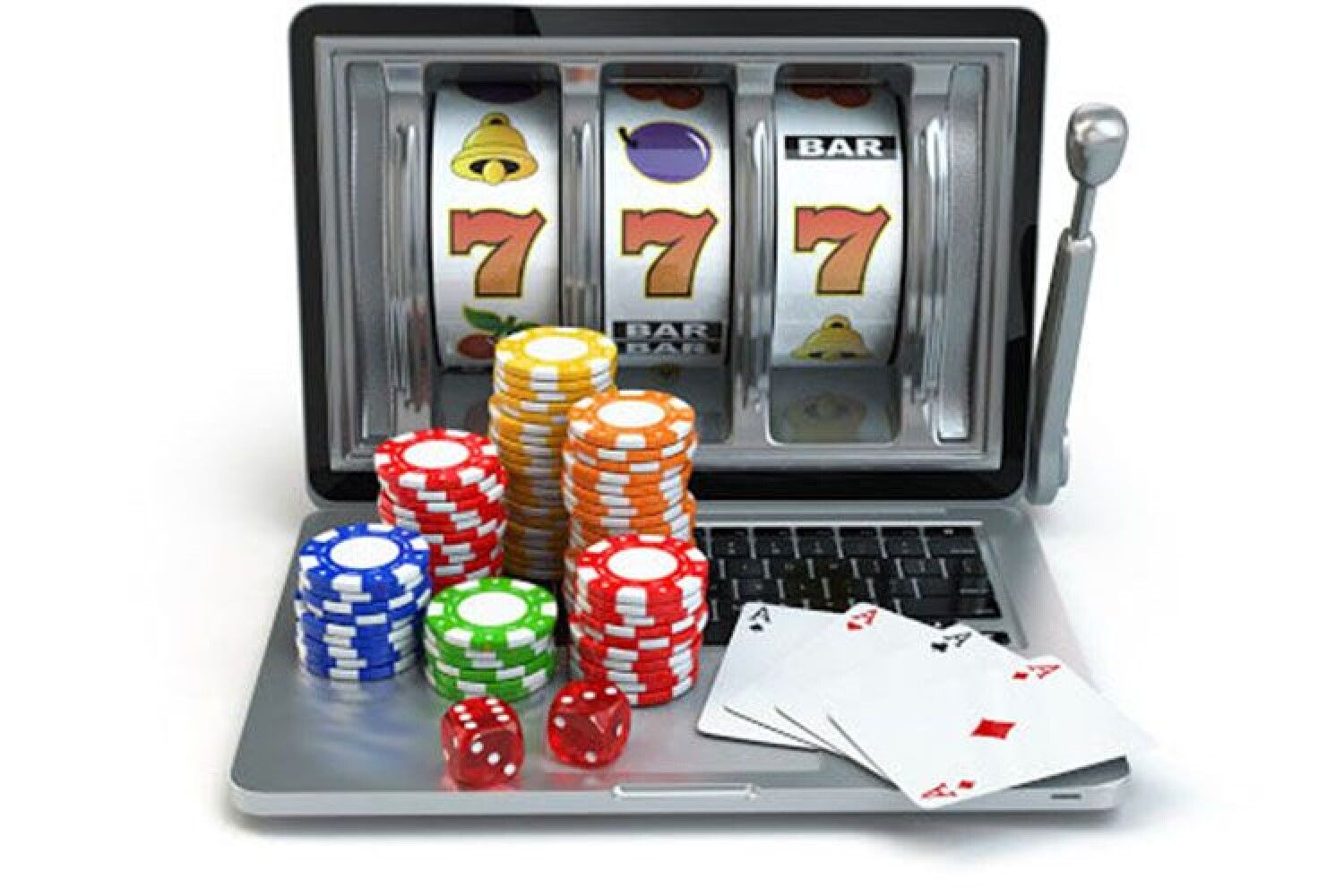
Additionally, the concept of “loss aversion,” where players feel the pain of losses more acutely than the joy of equivalent gains, is deeply embedded in game design. Slot machines, for instance, often create situations where players lose less frequently, leading them to chase after the larger jackpots despite the odds. This is particularly evident in games that offer significant payouts for small wagers, which contributes to the ongoing cycle of play, loss, and hope. The design elements are crafted to keep players engaged, often leading them to overlook their losses in pursuit of the next win.
The immersive environments created within casinos, featuring sounds, lights, and even scents, are designed to disorient players and keep them engaged longer. This manipulation of the sensory experience not only enhances the thrill but also affects decision-making. The more engaged players feel, the more likely they are to ignore their loss limits and continue placing bets. Understanding these design elements provides insights into how casinos leverage psychological principles to optimize player engagement. The combination of engaging aesthetics and strategic gameplay creates a potent environment that can complicate players’ ability to make rational decisions.
Understanding Responsible Gambling Awareness
Building awareness around responsible gambling is essential for promoting a healthy gaming environment. Many organizations focus on educating players about the psychological aspects of gambling, emphasizing the importance of recognizing one’s limits and understanding the emotional drivers behind the desire to play. Awareness campaigns often aim to dismantle harmful myths surrounding gambling, such as the belief that one can consistently beat the odds through certain strategies. By providing players with tools and knowledge, these initiatives empower individuals to make informed choices about their gambling habits.
Furthermore, responsible gambling initiatives encourage players to establish clear boundaries and seek help if they encounter issues related to gambling addiction. By emphasizing the psychological components, such as cognitive dissonance and the illusion of control, these programs can provide players with better insights into their behavior. Understanding that gaming should be viewed as entertainment rather than a reliable income source can significantly impact individuals’ approach to casino games. This perspective shift can help mitigate the risks associated with gambling and foster a healthier attitude toward gaming.
Promoting responsible practices creates a more sustainable gaming culture, benefiting both players and the industry. When individuals are equipped with knowledge, they are less likely to fall prey to the cycles of addiction or financial distress. As casinos and gaming platforms continue to evolve, integrating responsible gambling into their operational frameworks remains crucial for fostering a game environment that prioritizes player welfare while still delivering on the entertainment aspect. Ultimately, a focus on responsible gaming can enhance the overall experience for players, ensuring that enjoyment remains at the forefront of casino participation.
